Primary Science and Technology programs

Brewongle Environmental Education Centre provides engaging, hands-on Science and Technology learning experiences for primary students from Early Stage 1 to Stage 3 (Kindergarten to Year 6). Located on Dharug Country at Sackville North in North West Sydney, our programs provide students with authentic opportunities to investigate the natural world through practical, inquiry-based and place-based learning.
Using Brewongle’s diverse natural environment, including bushland and Dyarubbin – the Hawkesbury River, students investigate living things, habitats, ecosystems, adaptations, environmental change and the interactions between living and non-living components of the environment. Students develop scientific understanding through observation, investigation, data collection and hands-on fieldwork in real-world environments.
Programs are delivered by NSW Department of Education teachers and designed to support the NSW K–6 Science and Technology Syllabus (2024), while encouraging students to ask questions, make predictions, collect and analyse information, solve problems and communicate their findings. Authentic fieldwork and scientific inquiry help students develop curiosity, critical thinking and a deeper understanding of the natural world and their role in caring for environments and Country.
Aboriginal perspectives and connection to Country are embedded across relevant programs. Where programs include Aboriginal cultural learning, we aim to have an Aboriginal Cultural Educator or Aboriginal Education Teacher present to facilitate and support learning. Where a cultural educator is not available, our experienced Brewongle teachers deliver the program using their cultural education knowledge and training, with ongoing support from cultural knowledge holders.
Excursions
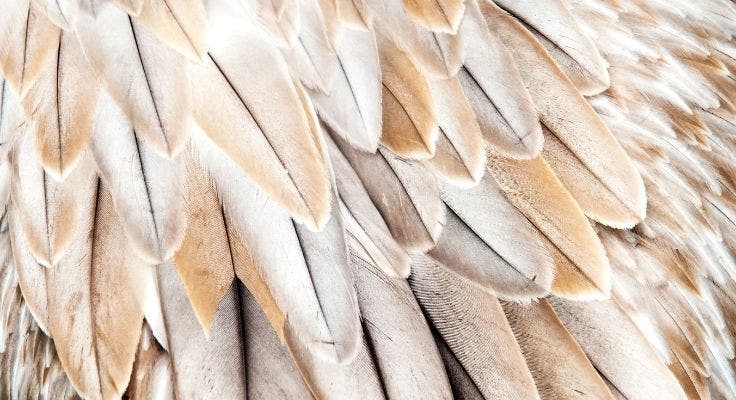
Observations and questions spark curiosity - Feathers, fur and scales
This engaging Early Stage 1 excursion takes students on a bush adventure where they explore Aboriginal culture and science through hands-on investigations, helping Maddy remember his totem, animal and lore.
Early Stage 1 (Kindergarten) program
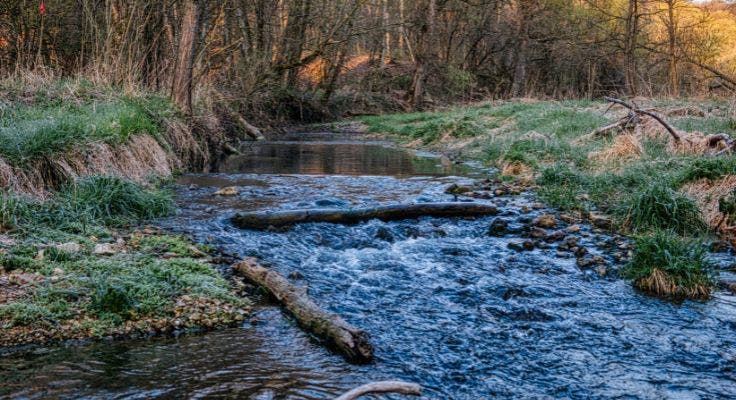
Observations and questions spark curiosity - A day in the life of a Dharug kid
In this engaging Early Stage 1 excursion, students explore the importance of nature to the Dharug people, while deepening students’ understanding of local Dharug culture and Country.
Early Stage 1 (Kindergarten) program
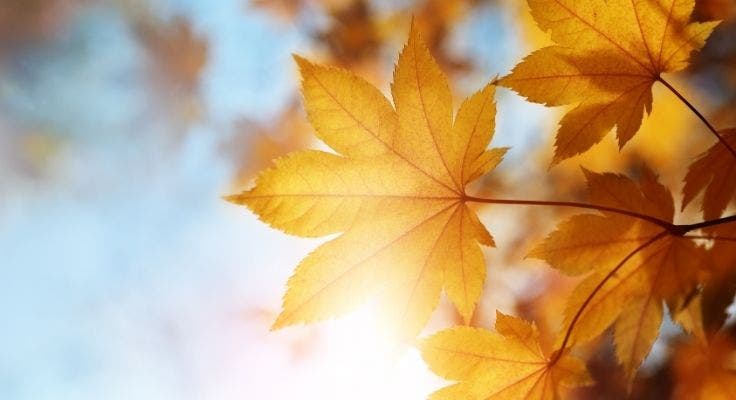
Investigations of changes provide knowledge and understanding - Change is all around
This exciting bush excursion helps students explore how living things change over time through a bug hunt, stag beetle life cycle investigation, Dreaming stories, and hands-on seasonal learning.
Stage 1 (Year 1 and 2) program

Investigations of changes provide knowledge and understanding - Seasons, skies and small things
Stage 1 students explore how living things respond to seasonal changes through hands-on investigations of Brewongle’s habitats, while developing an understanding of Aboriginal and Torres Strait Islander connections to seasons and Sky Country.
Stage 1 (Year 1 and 2) program

Physical and living systems depend on energy - Tawny tragedy
An exciting Stage 2 science excursion where students become eco-detectives, using maps and fieldwork to investigate the mysterious death of a Tawny Frogmouth while exploring the essential needs for life—water, food and shelter—and the interconnectedness of the environment.
Stage 2 (Year 3 and 4) program
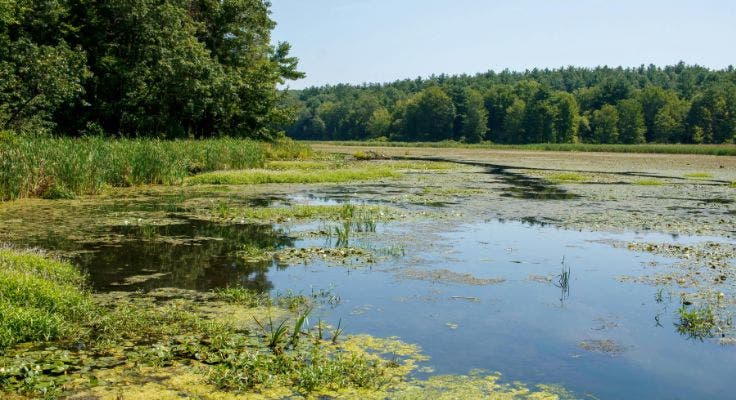
Physical and living systems depend on energy - Blacktown Marshy Mystery
Stage 2 students investigate a rare sighting of the endangered Green and Golden Bell Frog, exploring its needs for water, food and shelter while examining the impacts of urban development and human activity on natural habitats.
Stage 2 (Year 3 and 4) program
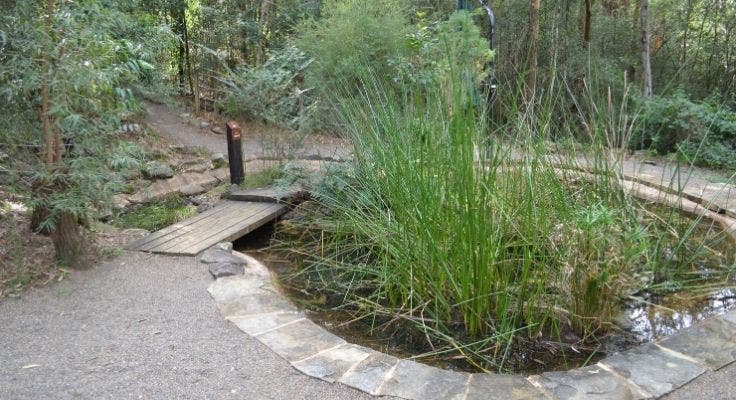
Physical and living systems depend on energy - Pond predators
Students investigate pond ecosystems to explore how Earth’s systems—the biosphere, atmosphere, lithosphere and hydrosphere—support living organisms and how changes in one system can affect the entire ecosystem.
Stage 2 (Year 3 and 4) program
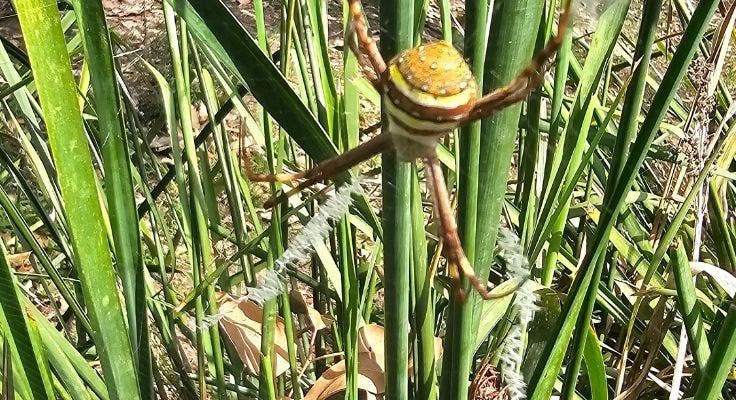
Physical and living systems depend on energy – Nature at Nurragingy
Students investigate how living things depend on energy and Earth’s systems through hands-on fieldwork exploring food chains, habitats, pollination, seed dispersal and healthy ecosystems.
Stage 2 (Year 3 and 4) program
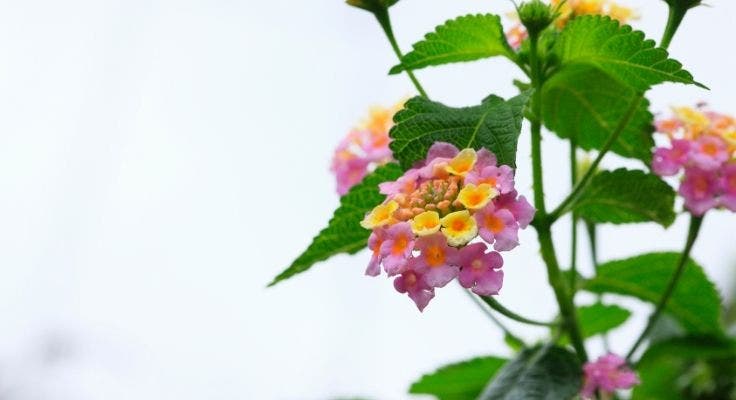
Knowledge of our world and beyond inspires sustainable solutions - Adaptations support survival
Explore the beautiful bush setting of Brewongle to investigate plant adaptations, the impact of introduced flora on ecosystems, and the traditional use of fire by Aboriginal and Torres Strait Islander Peoples in caring for Country.
Stage 3 (Year 5 and 6) program
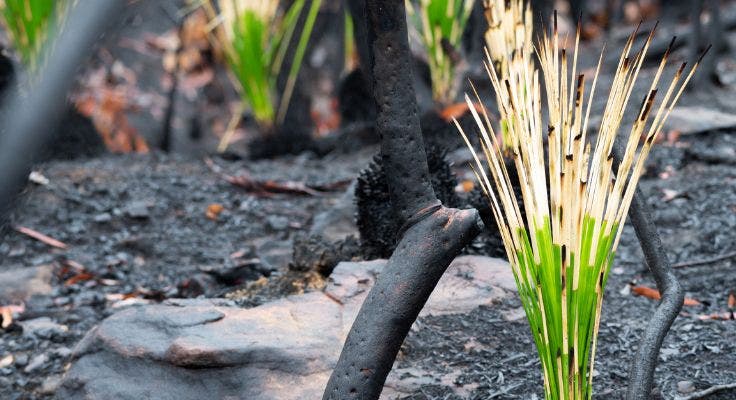
Knowledge of our world and beyond inspires sustainable solutions - First Nations fire management
Students investigate how Australian plants adapt to bushfire and explore the role of fire and Aboriginal and Torres Strait Islander sustainable practices in caring for Country.
Stage 3 (Year 5 and 6) program

Knowledge of our world and beyond inspires sustainable solutions - A Nurragingy environment study
A hands-on Stage 3 science excursion where students investigate water bugs in local waterways as part of an authentic case study, exploring the physical and behavioural adaptations that enable them to survive in their habitat.
Stage 3 (Year 5 and 6) program
Science HPGE enrichment
HPGE domains: Creative, physical, intellectual and social-emotional
This day excursion engages students in authentic, inquiry-based challenges that foster critical thinking, collaboration, problem-solving, and a deeper understanding of the natural world.
Stage 3 (Year 5 and 6) program
Overnight camp
Science HPGE enrichment
HPGE domains: Creative, physical, intellectual and social-emotional
This overnight camp program engages students in authentic, inquiry-based challenges that foster critical thinking, collaboration, problem-solving, and a deeper understanding of the natural world.
Primary school students in Stage 3 (Year 5 and 6)